Using Photography as Strategy, Not Just Content
In today’s digital landscape, photography is everywhere. From social media feeds to tourism campaigns, anyone can snap a photo, but the question isn’t whether you can take a picture. The question is: does it serve a purpose?
As a marketer and photographer, I’ve learned that photography isn’t just content…it’s a strategic tool that tells stories, communicates brand values, and drives engagement. In my work documenting communities, landscapes, and brands across Michigan’s Upper Peninsula, I approach every image with three goals in mind: intent, audience, and impact.
1. Start With “Why” Before You Shoot
I never just point and click. Every photo has a mission. Ask yourself:
Why am I taking this?
Who’s going to see it?
What do I want them to feel or do?
A scenic lake shot? Sure. But a snapshot of a local festival, artisan at work, or surfer catching waves tells a story that actually connects with your audience. Photography isn’t just pretty—it’s purposeful.
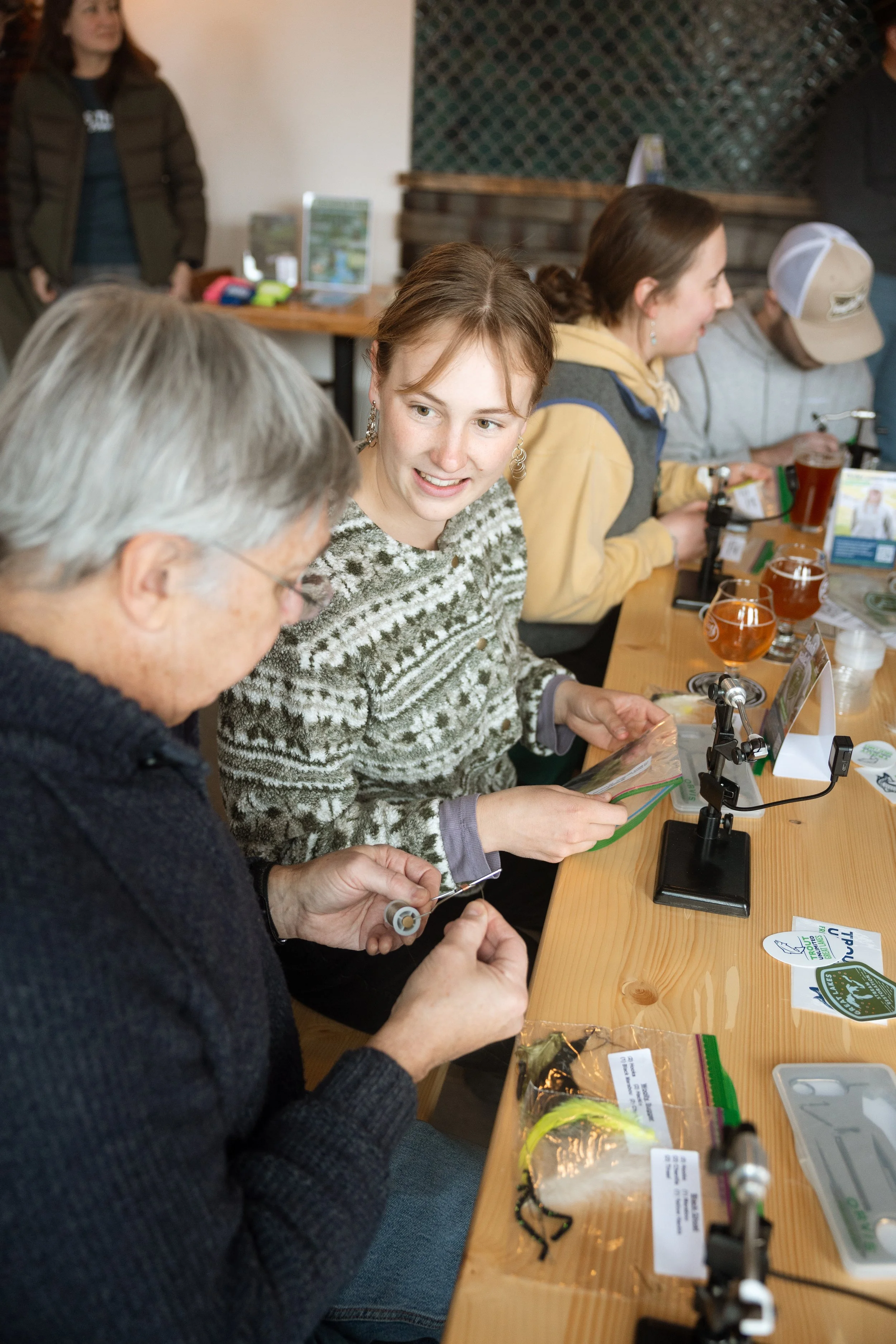
Take the above image. Trout Unlimited wanted to document an evening of fly-tying instruction. But why? To showcase people learning to tie… is the easy answer, but to showcase the sport and organization's ability to bridge generations and come together around something they love is the bigger image. Snapping a photo of a young woman learning from an elder, surrounded by local brews and casual TU branding, is the chef’s kiss.
2. Tell a Story With Every Frame
Photos are your mini-narratives. Think:
People in action – moments that feel real
Environment cues – showing context, place, vibe
Movement – energy, motion, life
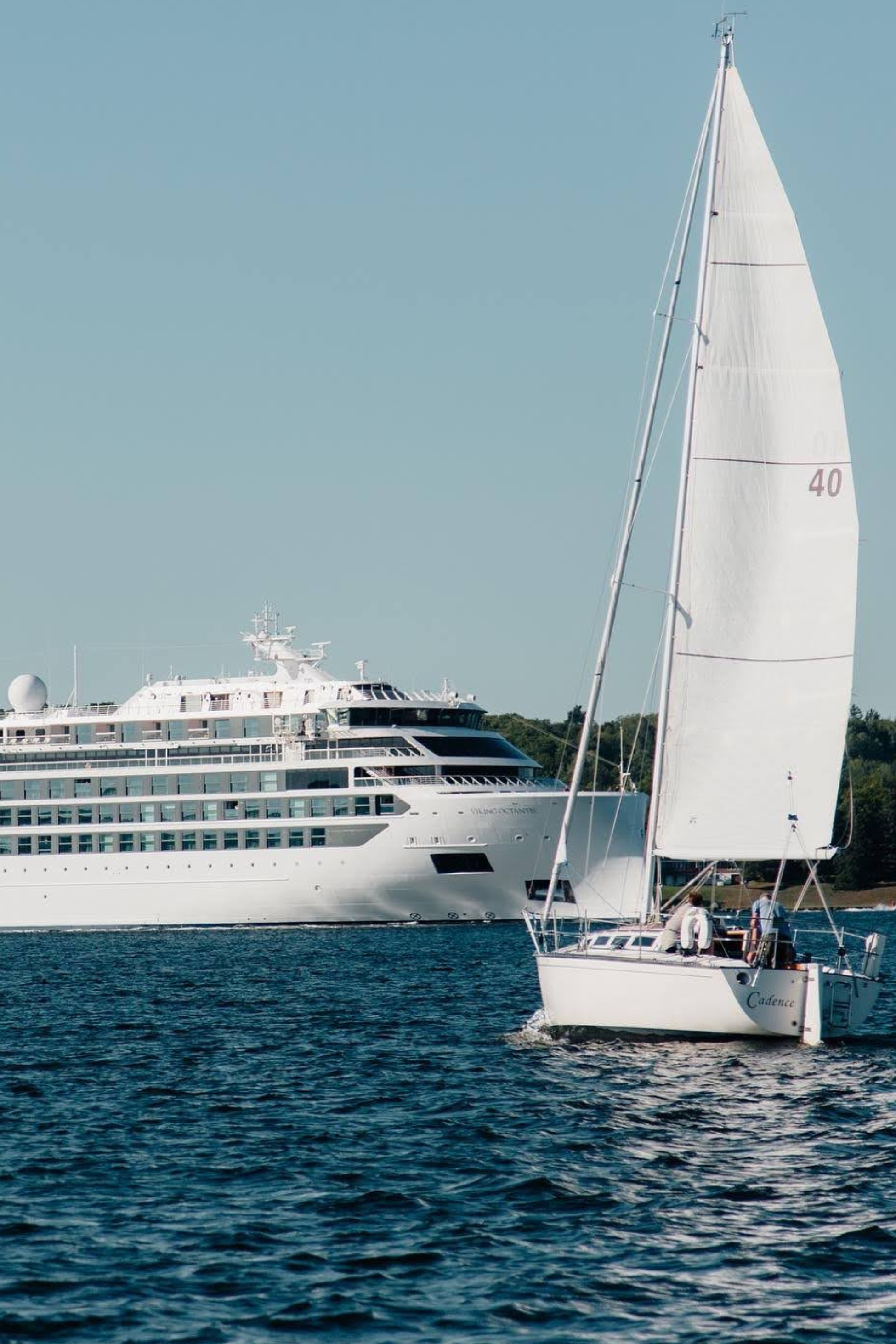
I love capturing moments that feel unscripted but intentional. A kid jumping into Lake Superior, a chef plating a meal, or a sunset over the Copper Country—it’s all storytelling. Bonus: people notice it, engage with it, and remember it. Below is one of those super moments where things just align. People love seeing the out-of-the-ordinary images, like a cruise ship sailing past a sailboat on a summer evening.
3. Match Your Visuals to Audience + Platform
Not every photo works everywhere. Here’s how I think about it:
Instagram wants energy, vibe, and shareable moments
A website hero image wants clarity, polish, and messaging
A newsletter or pitch deck? Functional, clean, and persuasive
Basically: know your audience, pick your moment, and don’t post a blurry lake shot just because it’s “pretty.” (We’ve all been there.)
4. Measure, Learn, Repeat
Photos aren’t magic. Track what works:
Likes, shares, and saves on socials
Click-throughs to your site
Sign-ups, inquiries, or conversions driven by imagery
If something’s killing it, do more of it. If it flops, analyze and pivot. Photography + strategy = smarter, not just prettier.
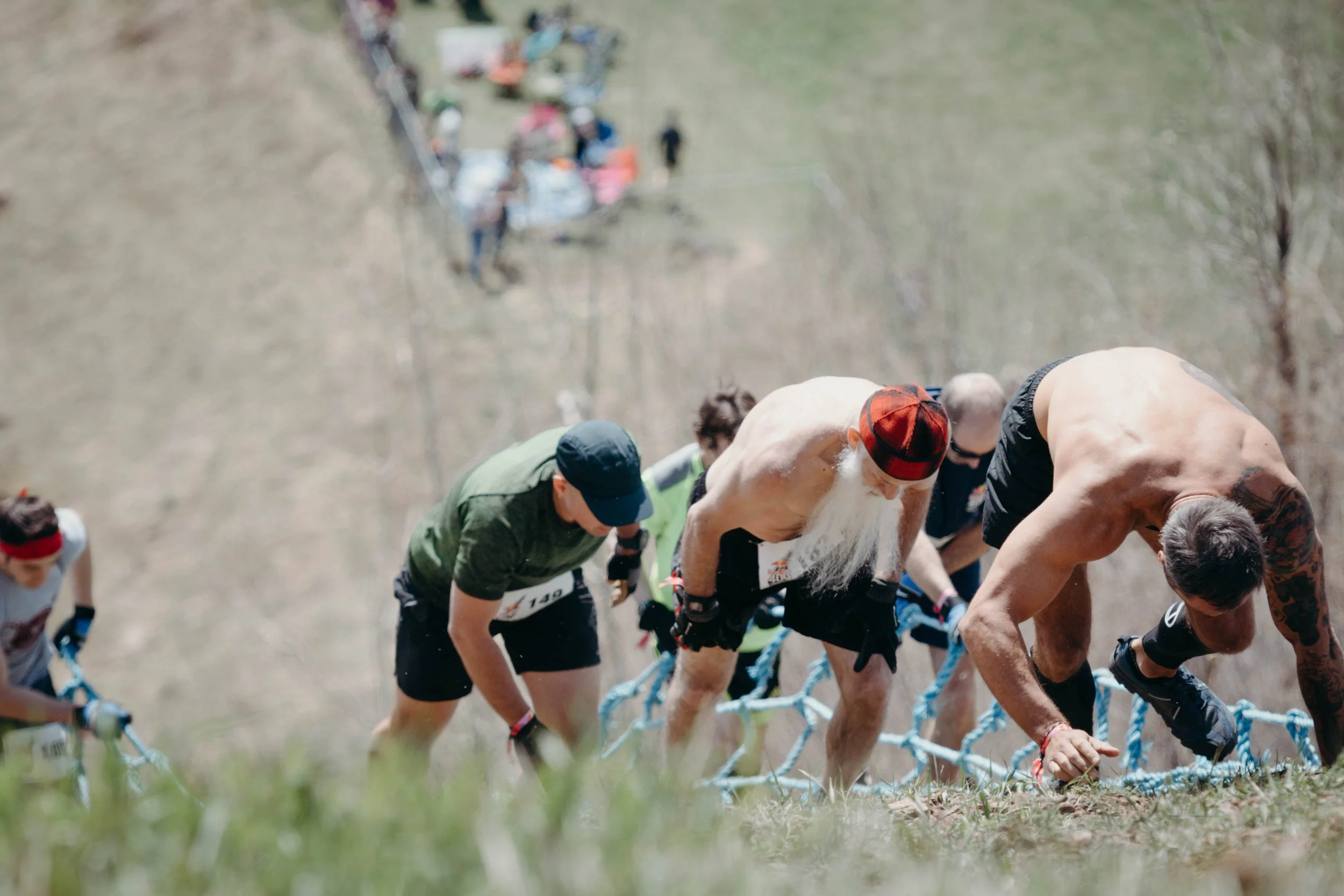
Do not be afraid to recreate or reshare images that just work. Below is a photo from 2019 of a Red Bull event and an older man competing in a stormy kromer. It aligns many UP things people love, so the image just gains attention, whether it's been seen before or not. Even though I have aged out of the image….my audience has not.
TL;DR
Photography isn’t just content—it’s storytelling, strategy, and engagement all rolled into one. Keep your “why” front and center, think about your audience, and let each image pull its weight. When done right, a single photo can tell the story words sometimes can’t.
Let’s Connect!
If you’re curious about how photography can drive results, or if you’re working on a project where strategic visuals could make an impact, let’s chat. You can set up a time to talk here or just reach out—I’d love to connect and explore how we can make your story shine.
